Discover Sweet and Savory Cuban Baking in Aurora CO
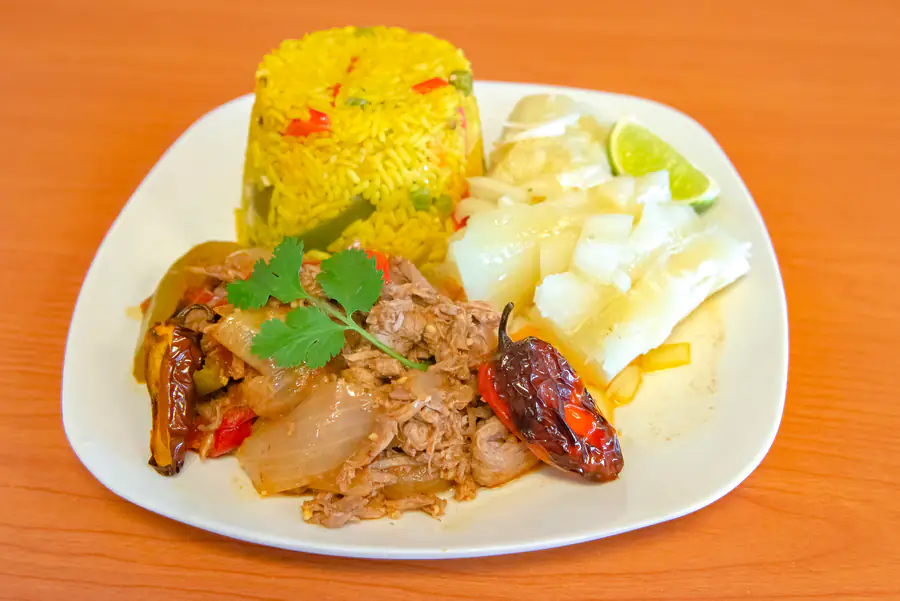
Aurora has never been a one-note food city. Its best meals often come from modest storefronts, family-run counters, and bakeries that carry the habits of another place into the pace of Colorado life. That is exactly why Cuban baking feels so at home here. It offers comfort, craft, and a kind of generosity that shows up before you even take the first bite. A warm pastelito flakes in your hands, guava filling slips into the corners, and strong coffee cuts the sweetness with almost surgical precision. A croqueta arrives crisp outside and creamy within. Bread emerges from the oven with a crust that crackles lightly and a center built for sandwiches, butter, or both.
If you are searching for a Cuban bakery in Aurora CO, you are not just looking for pastries. You are looking for a tradition that treats the bakery as part breakfast stop, part neighborhood anchor, part afternoon rescue. Cuban baking lives in that space between indulgence and routine. It can be festive, but it is also practical. These are foods made for real mornings, family gatherings, quick lunches, and late-day cravings when something from a grocery shelf simply will not do.
What makes the experience special is the balance. Cuban bakeries tend to move fluidly between sweet and savory. A display case might hold glossy guava pastries beside meat-filled pastries, sugar-dusted cookies, and slices of cake layered for birthdays and baptisms. Nothing feels accidental. These foods evolved from a blend of Spanish, Caribbean, and local influences, then adapted over generations to fit daily life. In a place like Aurora, where diners are accustomed to culinary variety and strong opinions about quality, that mix lands especially well.
Why Cuban baking stands apart
Cuban baking rewards attention to texture more than many people expect. The first thing most newcomers notice is flavor, usually guava, cheese, ham, roast pork, or sweet coconut. But the real signature often lies in the structure. Puff pastry should shatter, not slump. Bread should have enough body to hold a pressed sandwich without turning tough. Croquetas should be rich but not heavy. A good bakery understands that each item needs its own logic.
Take the classic pastelito de guayaba. Done properly, it is not just a sweet pastry with fruit inside. The guava should taste deep and slightly floral, not like generic jam. The pastry should bake until the layers lift and separate, then finish with just enough sheen or sugar to signal sweetness without becoming sticky. Add cream cheese, and the whole thing changes character. It becomes less sharp, more rounded, almost cheesecake-like, but still portable and bakery-friendly.
Savory items demand even more discipline. A ham croquette sounds simple, but the margin for error is narrow. If the filling is loose, it leaks. If the breading is too coarse, it overwhelms the interior. If the fry oil runs too cool, the result turns greasy fast. Good Cuban bakeries know that a savory pastry has to eat cleanly, especially for customers grabbing breakfast on the way to work or picking up a box for the office.
Then there is Cuban bread, which deserves more respect than it usually gets outside South Florida and Cuban communities elsewhere. At its best, it has a thin, delicate crust and a soft interior with enough chew to stay interesting. Freshness matters immensely. A loaf that is perfect at 8 a.m. May not be the same bread by late afternoon. That is not failure. That is the nature of bread without unnecessary padding or preservatives. Bakers who understand this Cuban bakery Aurora CO bake in rhythms, not just batches.
The sweet side, more than sugar and nostalgia
Many people first fall for Cuban bakeries through the sweets, and with good reason. The pastry case tends to be colorful, aromatic, and impossible to ignore. Yet the appeal is not just indulgence. Cuban sweets often carry a very clear sense of purpose. They are meant to pair with coffee, travel well, feed a group, or mark an occasion without fuss.
Guava is one of the great anchors of the repertoire. It shows up in turnovers, bars, cakes, and pastries with cheese. Its bright, concentrated flavor holds up beautifully against buttery dough. Coconut appears often too, sometimes in dense pastries and sometimes in cakes with a softer crumb. You will also find custard-based sweets, flaky shells filled with cream, and cookies that look modest until you realize how quickly they disappear from a tray.
A good bakery understands sweetness in context. Not every item should be equally rich. If everything hits the same sugar note, the whole case becomes tiring. The best bakeries vary intensity. One pastry might be fruit-forward and bright, another creamy and mellow, another crisp and only lightly sweet. That range matters, especially in a neighborhood bakery where customers return often rather than treating the visit as a once-a-year splurge.
Cakes deserve their own mention. Cuban-style cakes can be celebratory without becoming overbuilt. Many lean toward moist layers, light fillings, and a sweetness that feels festive but not cloying. They are designed to serve people well, literally and figuratively. You see them at birthdays, graduations, baby showers, and family dinners where dessert needs to satisfy several generations at once.
The savory case is where regulars are made
Sweets may pull first-time visitors through the door, but savory baking often creates repeat customers. That is because savory Cuban bakery items fit everyday life so neatly. They are quick, satisfying, and portable. Some are breakfast, some are lunch, some are a snack that unexpectedly becomes dinner while running errands across town.
Empanadas and pastelitos filled with meat, chicken, or ham and cheese can vary a lot from bakery to bakery. The filling should taste seasoned, not just salted. There should be enough filling to matter, but not so much that the pastry loses structure. A well-made savory pastry tells you the baker understands restraint. More filling is not always better. Balance is better.
Croquetas are another litmus test. In many bakeries, these are the item staff quietly judge you by. Order them, and you are signaling that you know the savory side deserves equal attention. The best ones arrive with a crisp shell and a smooth interior that tastes deeply of its main ingredient, often ham or chicken, with just enough seasoning to wake it up. They are excellent on their own, but paired with Cuban coffee they become one of those combinations that feels greater than the sum of its parts.
Sandwiches, where available, complete the picture. Cuban bread turns into something else entirely when pressed around roast pork, ham, Swiss cheese, mustard, and pickles. Heat sharpens every element. Fat from the pork and cheese melts into the bread. Mustard cuts through richness. Pickles add the snap that keeps the sandwich from dragging. It is a study in proportion, and bakeries that do it well tend to earn fierce loyalty.
What to notice when you walk into a Cuban bakery in Aurora CO
A strong bakery reveals itself quickly. You can usually tell within a few minutes whether the place treats baking as an afterthought or as its central craft. The cues are practical, not romantic.
- Look at the turnover rate in the pastry case. Gaps and frequent replenishing usually mean people are buying what was baked, not just browsing.
- Notice the bread. If loaves look fresh and the crust still has life, that is a strong sign the bakery respects fundamentals.
- Pay attention to aroma. Butter, toasted pastry, coffee, and warm bread should be present without smelling stale or greasy.
- Watch what regulars order. If people walk in and ask for specific pastries by name, the bakery has likely earned trust over time.
- Ask what came out recently. Staff at good bakeries usually know what is freshest and are happy to steer you.
Those clues matter more than polished branding. Some of the best bakery experiences happen in spaces that are simple, busy, and built around function. Display cases may be straightforward. Seating may be limited. Parking may require patience on a weekend morning. None of that is a problem if the baking is right.
Aurora diners are generally savvy about this. They know that neighborhood food culture often hides in plain sight. The bakery with the shortest menu description can still deliver the best bite of the week. That is especially true in immigrant food traditions, where reputation spreads through families, church communities, work crews, school pickups, and office catering orders more than through flashy promotion.
Coffee is not a side note
It is impossible to talk honestly about Cuban baking without talking about coffee. The pairing is built into the experience. Strong Cuban coffee, often sweetened and served in small portions, changes how pastries register on the palate. A guava pastry seems brighter next to a dark roast. A savory croqueta tastes rounder. A sweet cake becomes more balanced.
For newcomers, the size of the coffee can be misleading. Small does not mean weak. Cuban coffee tends to arrive concentrated, assertive, and meant to be sipped with intention. It works especially well with bakery foods because it resets the mouth after each bite. Richness never gets a chance to become dull.
This matters if you are visiting a Cuban bakery in Aurora CO for the first time. If you only order pastries and skip the coffee, you are seeing half the picture. Even if you normally take a larger drip coffee to go, it is worth trying the traditional pairing at least once. The scale is different, but so is the pleasure.
How climate and altitude shape baking in Colorado
Baking in Colorado asks more of bakers than many customers realize. Dry air and altitude can affect dough hydration, proofing times, sugar behavior, and how long baked goods feel at their best. Experienced bakers adjust almost by instinct, but those adjustments are real. A pastry formula that behaves one way at sea level may need careful refinement in Aurora.
This is especially relevant for breads and laminated doughs. Puff pastry depends on moisture, temperature control, and clean layers. Bread needs fermentation that works with the environment, not against it. Fillings also matter. Fruit pastes, custards, and creams can thicken or bake differently depending on the conditions.
For customers, the practical takeaway is simple. Buy fresh when possible, and do not judge an item by how you remember it from another climate or city. A bakery that produces strong Cuban baking in Aurora is already doing the work of adaptation behind the scenes. When that work is done well, the result feels effortless, which is exactly the point.
Ordering for a group without getting overwhelmed
Cuban bakeries shine in group settings because the format is naturally shareable. Office breakfasts, family brunches, school celebrations, and weekend visits with friends all benefit from the mix of sweet and savory options. The trick is not to overcomplicate the order. Variety matters more than volume for its own sake.
If you are feeding a mixed group, it helps to think in contrasts. A box that includes guava pastries, a cream cheese variation, a savory pastry, croquetas, and good bread or sandwiches usually covers a lot of ground. Some people want sweet first thing in the morning. Others absolutely do not. A balanced spread keeps everyone from circling the same item.
This is also where bakery staff can be invaluable. Good counter staff usually know which items hold best for transport, which pastries are most popular, and which baked goods are best eaten within a short window. Ask directly. You will often get better advice than you would from any printed menu.
A practical way to build your first order
For a first visit, I usually recommend ordering with curiosity but also with structure. You do not need half the case. You need a small cross-section that shows what the bakery does well.
- One sweet pastry with guava
- One sweet pastry with cheese or custard
- One savory pastry
- An order of croquetas
- Coffee for the group, or at least for yourself
That combination gives you a real read on the bakery. You will taste its handling of dough, filling, frying, sweetness, and balance. If the bakery also offers fresh bread or pressed sandwiches, add one of those on a second visit rather than trying to do everything at once.
Tradition, adaptation, and the Aurora audience
What makes Cuban baking in Aurora interesting is not just preservation of tradition. It is the conversation between tradition and local demand. Some customers arrive with exact memories and high standards shaped by family kitchens or years spent in Miami, Tampa, or Havana. Others are discovering the cuisine for the first time. A successful bakery has to serve both groups without flattening the food into something generic.
That often means keeping the backbone of the tradition intact while paying attention to the community in front of you. Maybe that shows up in the range of pastry flavors. Maybe it means offering enough savory items for lunch traffic. Maybe it means baking in quantities that reflect commuter schedules, school calendars, or weekend family rhythms. None of that dilutes the tradition. It is how living food cultures survive.
Aurora is especially fertile ground for this because people here tend to appreciate food that is rooted but not rigid. They want quality, yes, but they also want something that fits actual life. Cuban bakeries do that naturally. You can stop in for a quick coffee and pastry, bring home a box for your family, order a birthday cake, or pick up savory items that make a long afternoon easier. Few food businesses move that comfortably across occasions.
The small details that separate good from memorable
Memorable bakeries usually get the little things right. The guava filling tastes like fruit rather than sugar. The savory pastry stays crisp even after a short drive home. The cake slices cleanly instead of collapsing. The coffee is hot, strong, and served without apology. Staff can tell you what is fresh because they know, not because they are reading from a label.
Packaging matters too. A pastry box that protects flaky dough from getting crushed is not glamorous, but it shows care. Timing matters. A bakery that paces its baking so there is still quality later in the day is doing more work than customers often see. Consistency matters most of all. One great pastry can be luck. A case full of dependable favorites is craft.
There is also the matter of hospitality, which is harder to quantify but easy to feel. The best bakeries make room for regulars and newcomers alike. If you know exactly what you want, they move with speed. If you have questions, they answer without condescension. That tone matters in a neighborhood setting. It is part of why certain bakeries become woven into people’s routines.
Why this kind of bakery becomes part of a city
Cities earn their character through places people return to casually, not just places they recommend dramatically. A Cuban bakery can become one of those places with surprising speed. It serves cravings, but it also serves habits. Saturday morning pastry runs. Coffee before work. A dozen savory Cuban baked goods Aurora bites for an office meeting. A cake for a family milestone. Bread for dinner. These are not rare occasions. They are the infrastructure of ordinary pleasure.
For Aurora, that matters. The city’s food identity is strongest when it reflects the communities who live there and the traditions they continue to practice. Cuban baking adds another layer to that story, one built on skill, warmth, and food that knows exactly what role it wants to play. It can be celebratory, but it never loses sight of usefulness. That is a trait shared by many of the best culinary traditions.
So if you have been meaning to explore a Cuban bakery in Aurora CO, go hungry but not rushed. Order something sweet, something savory, and the coffee that ties them together. Notice the pastry first, then the crumb, then the filling, then the way the flavors settle. Come back at a different hour and try something else. That is how bakery loyalties are formed, not through a single spectacular bite, but through repeated proof that a place understands its craft and respects your appetite.
When a bakery can do that, it becomes more than a stop for pastries. It becomes part of the neighborhood’s memory, one flaky layer and one strong cup at a time.
Cuba Bakery & Café
15028 E Mississippi Ave, Aurora, CO 80012
+1 303-752-2822
FAQ About Cuban bakery Aurora CO
What are Cuban pastries called?
Many small Cuban pastries are called pastelitos. They can have sweet or savory fillings, such as guava, cheese, guava and cheese, or seasoned meat. Cuba Bakery & Café lists guava, cheese, guava-and-cheese and beef pastries on its menu. Ask the bakery about current availability and ingredients when ordering.
What are traditional Cuban pastries?
Common Cuban bakery choices include flaky pastelitos filled with guava, cheese or meat. Cuban bakeries may also offer empanadas, breads and desserts alongside coffee. Cuba Bakery & Café lists pastelitos, several empanada fillings, pan Cubano and desserts such as tres leches and bread pudding. Selection can vary, so confirm the day's choices with the bakery.
What makes Cuban bread different?
Cuban bread is known for its light interior and a thin crust that becomes crisp when toasted or pressed. Traditional recipes often use lard, although ingredients vary by baker. It is commonly served as buttered toast or used for Cuban sandwiches. Cuba Bakery & Café lists pan Cubano and tostada on its menu; ask staff about the ingredients in their bread if you have dietary restrictions.
Corrections
Spot something wrong? Send it to the desk and it gets fixed in the open.